October 22, 2026
Building structures that withstand the test of time requires careful consideration of materials, planning, and environmental factors. When starting any construction or renovation project, choosing a high-quality concrete ready mix is one of the most important decisions you can make to guarantee long-term performance. Standard site-mixed concrete often lacks the uniformity needed for heavy-duty applications, leaving your project vulnerable to premature wear and tear. By relying on a precise, factory-controlled blend, contractors and homeowners alike can significantly improve structural integrity, weather resistance, and overall load capacity. Understanding how materials interact within a custom mix design allows you to tailor your material selection specifically to the environmental demands of your site.
Understanding Essential Concrete Mix Ratios
The foundation of any durable concrete installation lies in the precise calculation and proportioning of its key raw components: water, cement, aggregates, and specialized admixtures. Each element plays a distinct role in determining both the fresh properties of the wet material and the hardened characteristics of the final structure. Cement acts as the binding glue, reacting chemically with water in a process known as hydration to bind the sand and stone aggregates into a solid mass. However, achieving optimal durability requires striking a delicate balance between workability and strength.
The water-cement ratio is arguably the most critical factor influencing the ultimate compressive strength and permeability of cured concrete. Adding excess water during mixing makes the wet material easier to pour and spread, but it severely compromises structural integrity. As the unbonded water evaporates during the curing phase, it leaves behind a network of microscopic pores and voids within the hardened matrix. These internal voids drastically lower compressive strength and create paths for moisture, salts, and destructive chemicals to penetrate the material. Conversely, lowering the water-cement ratio yields a denser, highly durable structure with significantly lower permeability. To consistently maintain these tight numerical ratios without human error, contractors rely on engineered bulk batching. Ordering a commercial concrete ready mix eliminates on-site measuring inaccuracies and guarantees exact material proportions from the first pour to the last.
Selecting Quality Aggregates for Maximum Strength
In our experience, aggregates typically make up between 60% and 75% of the total volume of a concrete mix, serving as the structural skeleton that supports heavy mechanical loads. Because aggregates occupy such a massive portion of the finished product, their physical shape, size distribution, cleanliness, and mineral composition directly dictate the long-term performance of the installation. A well-designed aggregate profile combines a continuous grading of coarse stones and fine sand to fill internal gaps efficiently, reducing the amount of cement paste required to coat every particle.
Coarse aggregates provide bulk volume and compressive strength, while fine aggregates fill smaller voids and improve overall workability. Angular, crushed stone particles lock together tightly to provide high structural stability, whereas smooth, rounded gravel aggregates flow more easily during placement. Regardless of shape, aggregates must be clean and free from organic contaminants, silt, clay, or reactive chemicals. Contaminated aggregates interfere with cement hydration and lead to internal cracking over time through alkali-aggregate reactions. Sourcing materials from a supplier of concrete ready mix ensures that all stone and sand components have been thoroughly tested, washed, and proportioned to yield a dense, stable aggregate matrix designed specifically for extended service life.
Evaluating Chemical Admixtures for Specialized Performance
Modern concrete technology relies heavily on chemical admixtures to modify material behavior for specific job site requirements, weather conditions, and structural demands. Admixtures are added during the batching process in small, highly controlled quantities to alter setting times, enhance fluid workability, or introduce microscopic protective structures. By customizing the chemical package of a mix, engineers can dramatically improve a structure's resistance to environmental degradation without sacrificing ultimate strength.
One of the most vital chemical modifications for freeze-thaw climates is the addition of air-entraining agents. These additives create billions of microscopic, evenly spaced air bubbles throughout the concrete matrix. When absorbed water freezes within the concrete, these microscopic air pockets act as relief chambers, accommodating ice expansion and preventing internal hydraulic pressure from cracking the surface. Other common admixtures include accelerators, which speed up hydration in cold weather, and retarders, which delay initial set times during hot summer pours. To achieve fluid workability without diluting strength with extra water, high-range water reducers—also known as superplasticizers—are incorporated into the matrix. Utilizing a factory-blended concrete ready mix guarantees that these specialized chemical admixtures are uniformly dispersed throughout the entire batch for consistent protection.
Preventing Environmental Damage Through Moisture Management
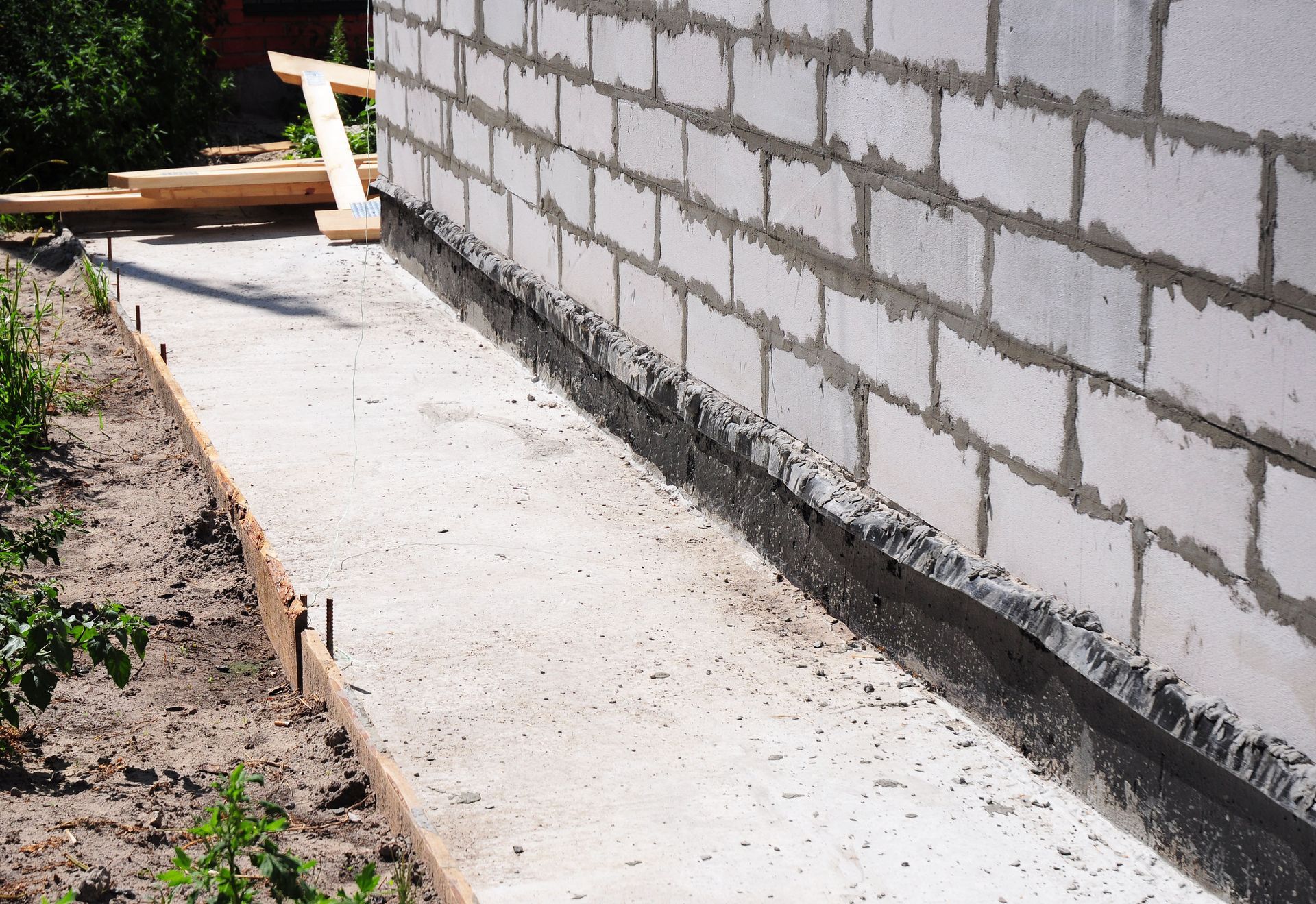
Moisture intrusion is one of the primary causes of premature concrete degradation across both residential and commercial structures. When water penetrates the surface pores of untreated concrete, it carries dissolved salts, deicing chemicals, and atmospheric pollutants deep into the internal matrix. In regions with fluctuating seasonal temperatures, trapped moisture undergoes freeze-thaw cycles that exert immense internal pressure, leading to surface scaling, spalling, and deep structural cracking. Furthermore, in reinforced structures, moisture and chlorides eventually reach the internal steel rebar, causing rapid oxidation, corrosion, and expansion that spalls the concrete from within.
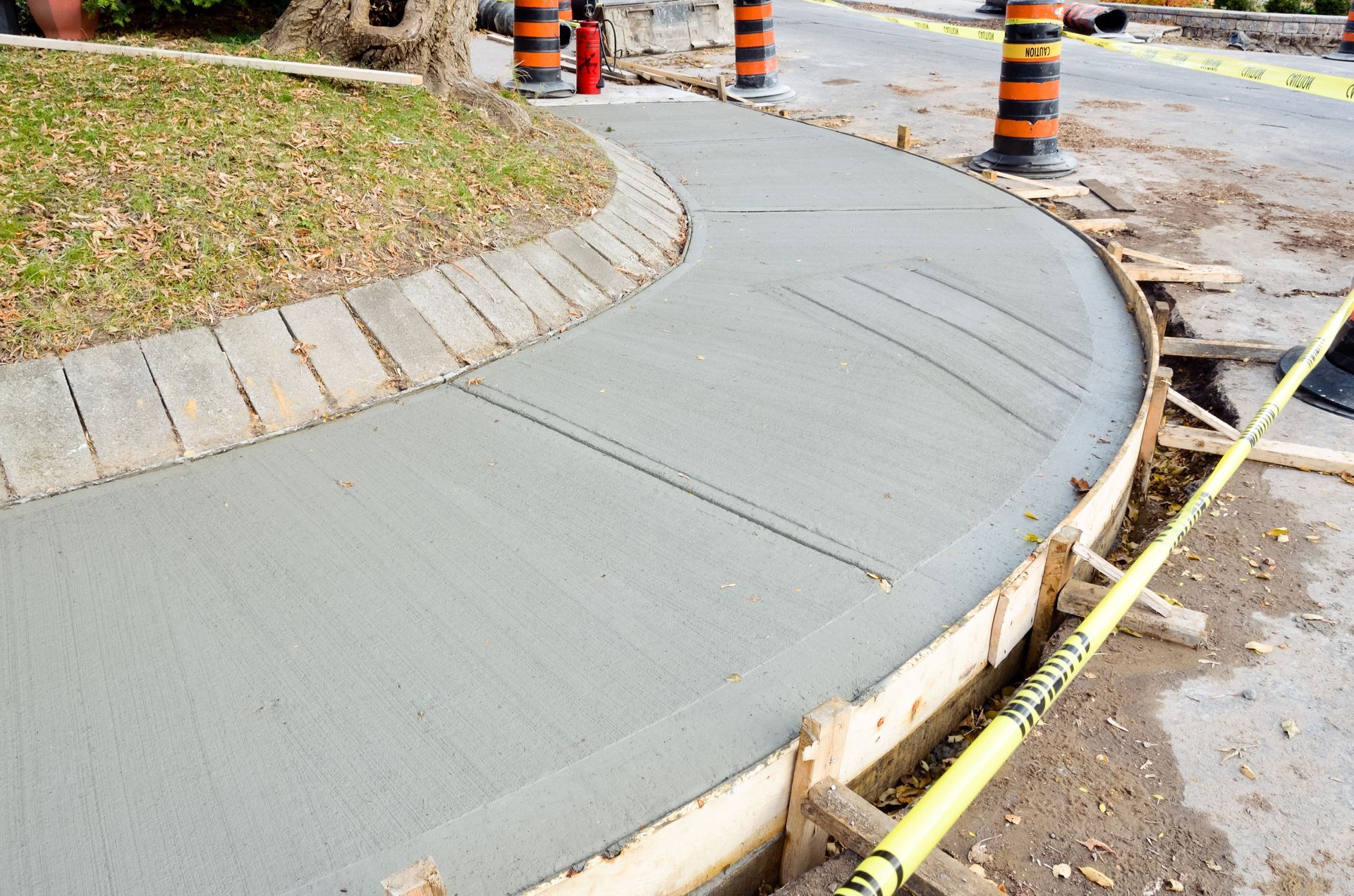
Mitigating moisture damage requires a two-fold approach: optimizing the mix design for maximum density and executing proper curing techniques after placement. Proper curing involves maintaining adequate moisture content and temperature control during the early hydration period, allowing the cement to hydrate fully and develop its intended density. Curing methods such as wet curing blankets, continuous misting, or chemical curing compounds prevent the surface from drying out prematurely, which stops shrinkage cracking before it begins. Investing in a dense, low-permeability mix pays substantial long-term dividends for outdoor applications. In fact, according to NerdWallet, a concrete driveway can last from 30 to 40 years when properly designed, poured, and protected from harsh environmental elements.
Implementing Proper Placement and Compaction Techniques
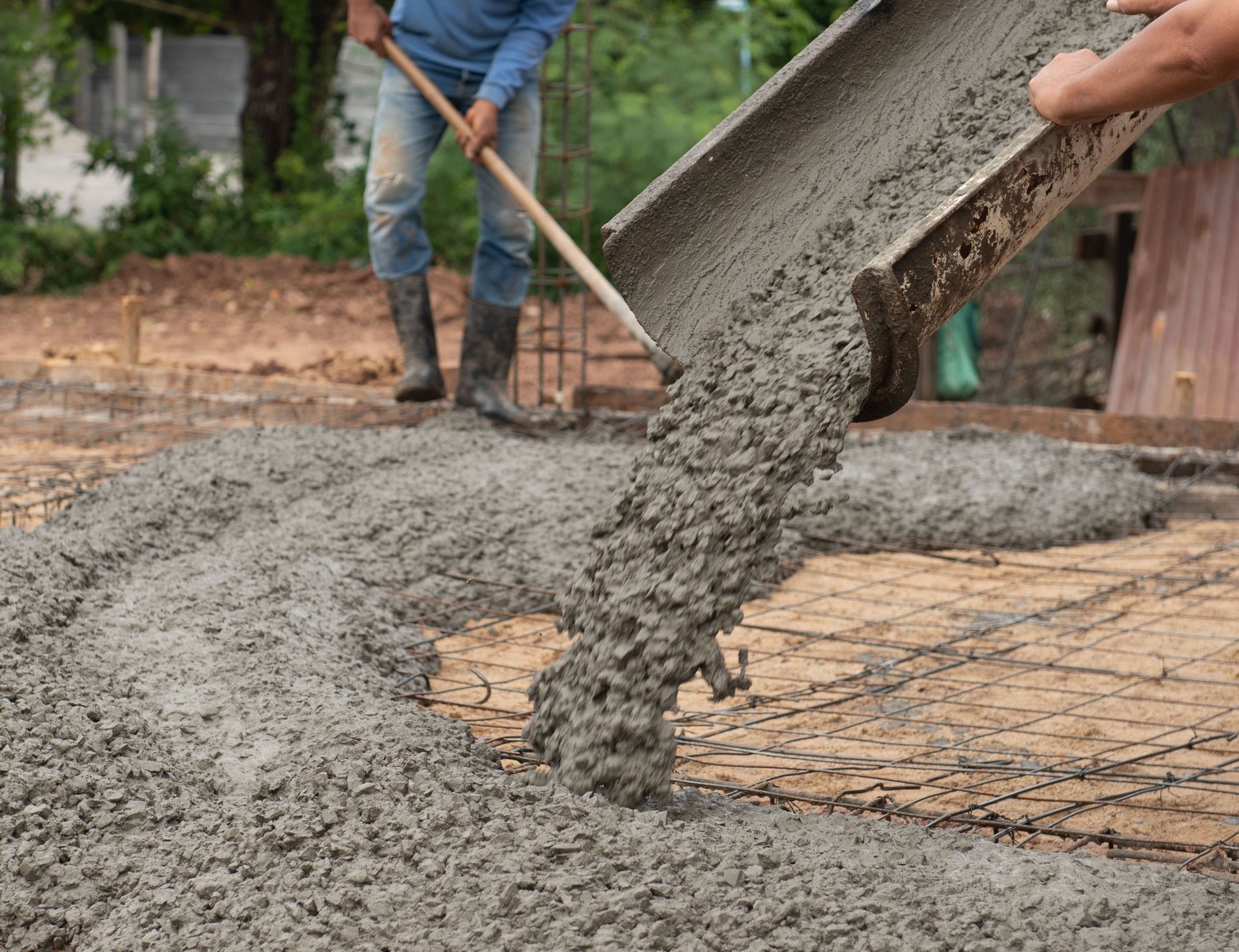
Even the most perfectly proportioned mix design will fail prematurely if it is improperly handled, placed, or compacted on the job site. Quality control during the pouring phase is essential to ensuring that the material achieves its full design potential. A crucial step during placement is mechanical consolidation, typically performed using internal immersion vibrators. Consolidation removes entrapped air pockets, honeycombing, and voids created as the wet material settles around reinforcement rebar and formwork edges, creating a solid, uniform mass.
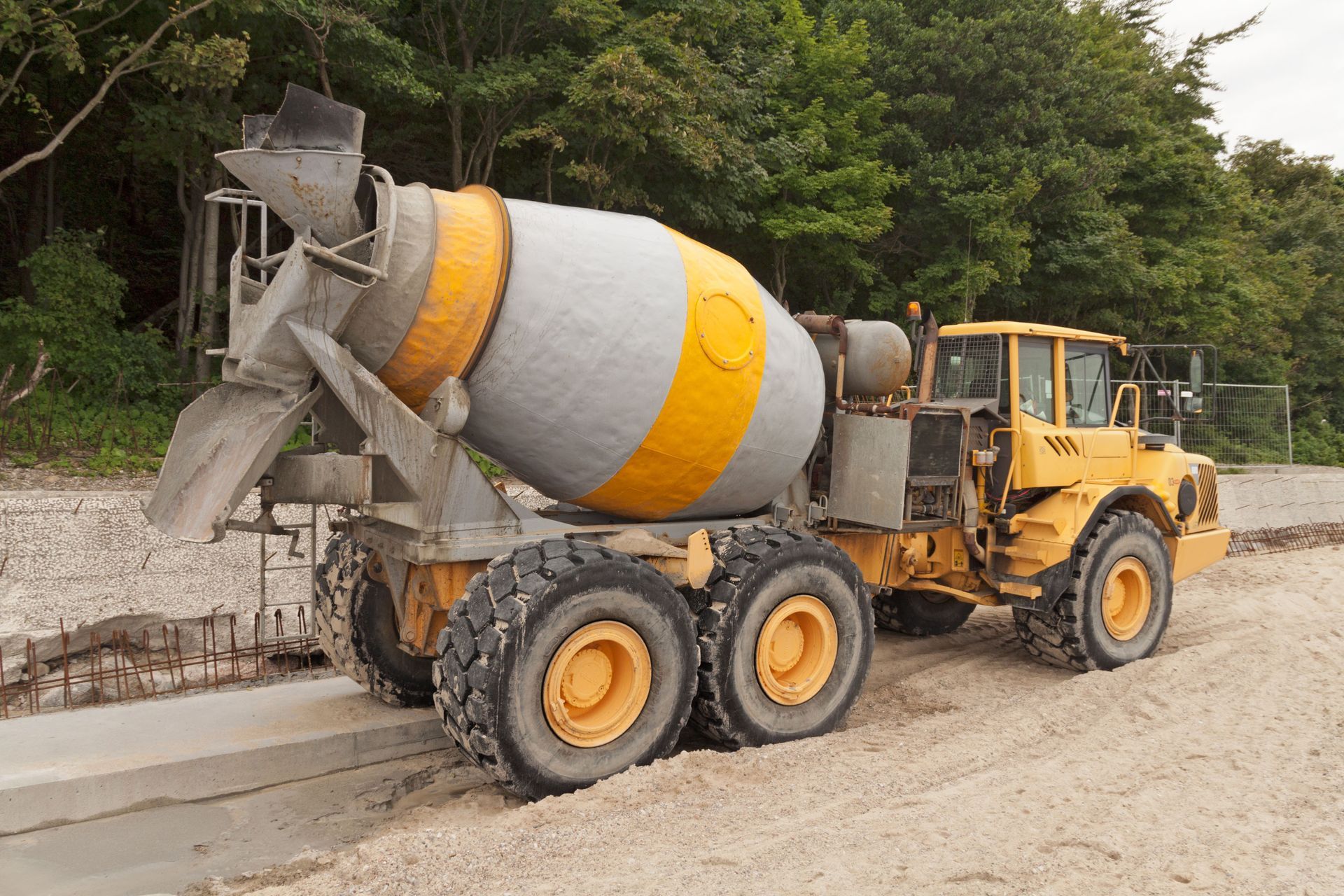
Equal attention must be paid to subgrade preparation prior to pouring. The underlying soil or gravel base must be uniformly compacted, properly drained, and free of organic material or soft spots. An unstable subgrade leads to non-uniform support under heavy loads, causing structural cracking and differential settlement over time. Additionally, delivery logistics play a major role in placement success; delayed or irregular deliveries create cold joints, which occur when fresh concrete is poured against a layer that has already begun to set. Scheduling a continuous delivery of concrete ready mix ensures seamless pours, eliminating weak cold joints and ensuring that the entire slab hydrates into a cohesive, monolithic structure.
Investing in the right mix design from day one is the most effective way to protect your concrete structures from premature degradation. By tailoring your aggregate ratios, chemical admixtures, and curing methods, you build a foundation that naturally withstands heavy loads and harsh seasonal weather. Choosing an engineered
concrete ready mix takes the guesswork out of the process, ensuring consistent quality and long-term structural reliability across every stage of your project. Whether you are laying down a heavy-duty commercial foundation or a simple residential driveway, prioritizing durability yields substantial dividends for decades to come.
Are you ready to build a longer-lasting foundation for your next project? Contact Callahan Concrete today to consult with our expert team and find the ideal custom mix tailored to your specific durability needs. Let us supply the reliable strength and quality service your job site deserves!