November 4, 2026
Concrete is a fundamental material in construction because it provides strength, stability, and durability across a wide range of building projects. From residential foundations to commercial developments, contractors depend on reliable material deliveries to maintain schedules and achieve consistent results. A dependable concrete supply helps crews coordinate pouring activities, manage labor, and reduce interruptions that can affect the finished structure. Delays in delivery may create complications when fresh concrete must be placed continuously across a designated area. Project size, weather conditions, site accessibility, and workforce availability can all influence how much material is needed and when it should arrive. Careful planning helps contractors avoid unnecessary waste while ensuring enough concrete is available for each construction phase. Understanding which projects rely most heavily on consistent deliveries highlights the importance of effective material coordination.
1. Residential Foundations and Footings
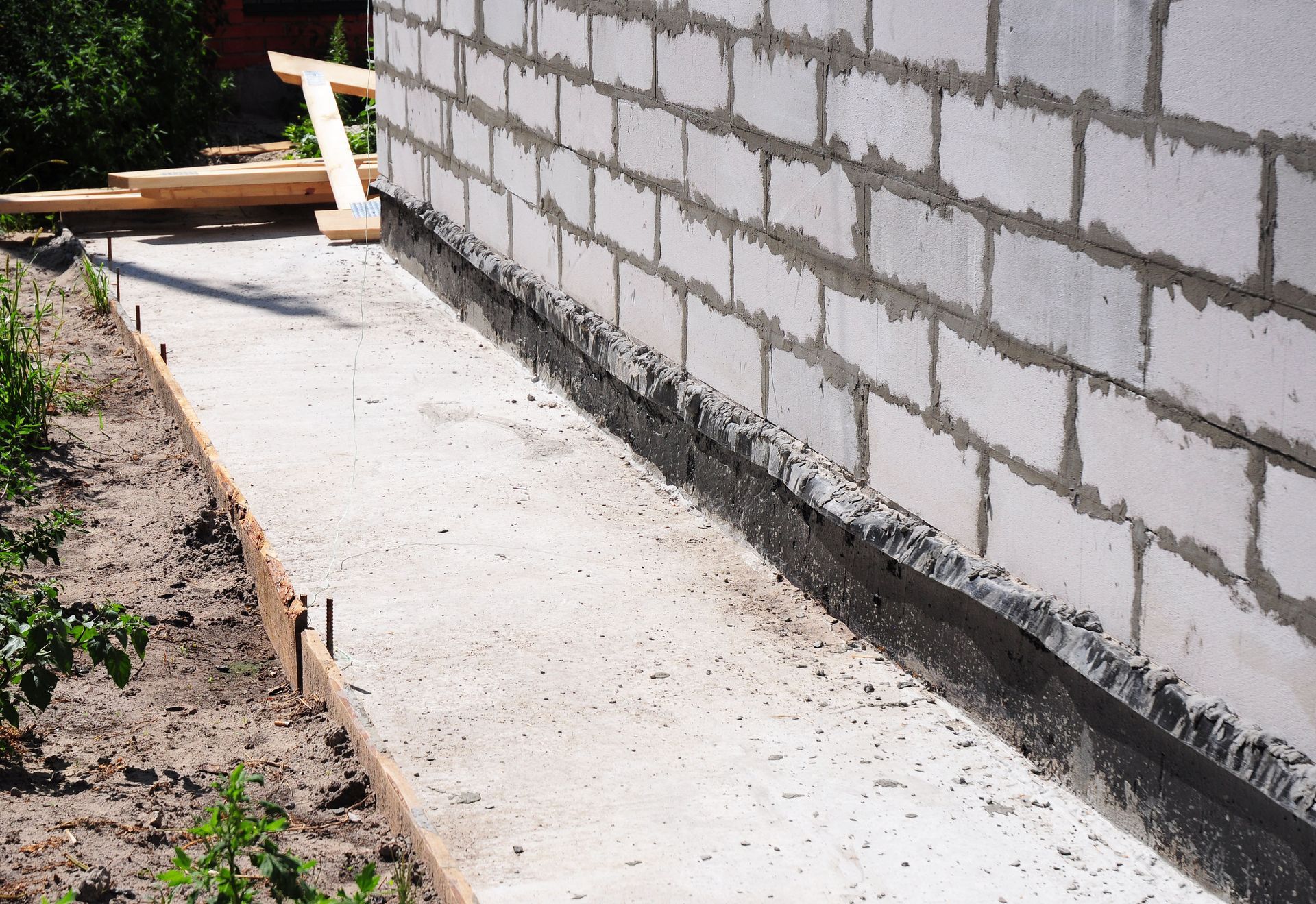
Residential foundations provide the structural base that supports a home and transfers its weight into the ground. Contractors must coordinate excavation, formwork, reinforcement, inspections, and concrete placement to keep foundation work moving efficiently. A reliable concrete supply allows crews to pour footings and foundation sections according to the project's specifications. Having the required volume available at the right time helps reduce interruptions that could complicate placement and finishing. Before scheduling a delivery, contractors should calculate the dimensions of the foundation and account for any necessary allowance for variations. Soil conditions, reinforcement requirements, and local building codes also influence the foundation design. Deliveries should be coordinated with site access and the crew's readiness to receive and place the material. Careful preparation helps establish a stable base for the framing and other stages of home construction.
2. Commercial Buildings and Office Developments
Commercial buildings often require substantial quantities of concrete for foundations, structural elements, floors, and other essential components. Project managers must coordinate material deliveries with subcontractors, inspections, equipment availability, and scheduled construction activities. Consistent concrete supply helps commercial crews maintain progress when large pours involve multiple workers and specialized equipment. If deliveries arrive too early, the site may lack sufficient space for vehicles or the crew may not be ready to place the material. If deliveries arrive too late, labor and equipment may remain idle while the schedule falls behind. Contractors should develop a delivery plan based on pour dimensions, placement speed, and the requirements of the concrete mix. Communication between suppliers, dispatchers, and site supervisors helps address unexpected changes before they create major disruptions. Organized delivery coordination supports more predictable construction progress and helps commercial projects remain on schedule.
3. Roads and Highway Infrastructure
Road construction depends on concrete for certain pavements, curbs, barriers, drainage structures, and related infrastructure components. These projects often involve large work areas where traffic management, weather, and restricted access affect delivery timing. A steady concrete supply helps crews complete planned sections while coordinating with paving equipment and finishing teams. Interruptions during a pour may create unwanted joints or require additional work to meet project specifications. Contractors must therefore estimate material quantities carefully and confirm delivery arrangements before beginning major placement activities. They should also account for the time needed to transport, discharge, spread, and finish the concrete under the conditions at the site. Road projects may require deliveries during specific traffic-control windows to reduce disruption to surrounding communities. Effective scheduling helps crews use their available working time efficiently while supporting the quality and durability of the completed infrastructure.
4. Bridges and Elevated Structures
Bridge construction requires careful coordination because concrete components must meet demanding structural and engineering requirements. Foundations, piers, abutments, decks, and other elements may each require different mix specifications and placement procedures. Reliable concrete supply helps construction teams coordinate deliveries with reinforcement inspections, formwork preparation, pumping equipment, and specialized labor. Some structural pours must follow carefully planned sequences to maintain the integrity of the finished component. Contractors should confirm the required strength, workability, and other mix properties before scheduling material for delivery. Site access can also be challenging when work takes place above waterways, beside active roads, or within restricted construction zones. Coordination between engineering teams, suppliers, and site supervisors helps ensure the correct material reaches the work area when needed. Detailed planning supports structural quality while reducing the risk of avoidable interruptions.
5. Industrial Floors and Warehouse Slabs
Industrial facilities and warehouses often need expansive concrete floors capable of supporting equipment, stored goods, forklifts, and frequent vehicle movement. These slabs require appropriate preparation, reinforcement where specified, accurate placement, and careful finishing to meet operational demands. Consistent concrete supply helps crews complete large floor sections within the planned placement window. According to Grand View Research, the global ready-mix concrete market was valued at $1,031.3 billion in 2025, reflecting the substantial scale of demand for this construction material. Contractors should determine the required volume from slab dimensions while considering the specified thickness and any design features that affect material needs. They must also coordinate deliveries with screeding, finishing, joint planning, and curing requirements. Temperature and weather conditions can influence placement and finishing, making preparation especially important for large indoor or outdoor slabs. A coordinated supply plan helps produce an even surface that meets the project's intended performance requirements.
6. Sidewalks, Curbs, and Pedestrian Areas
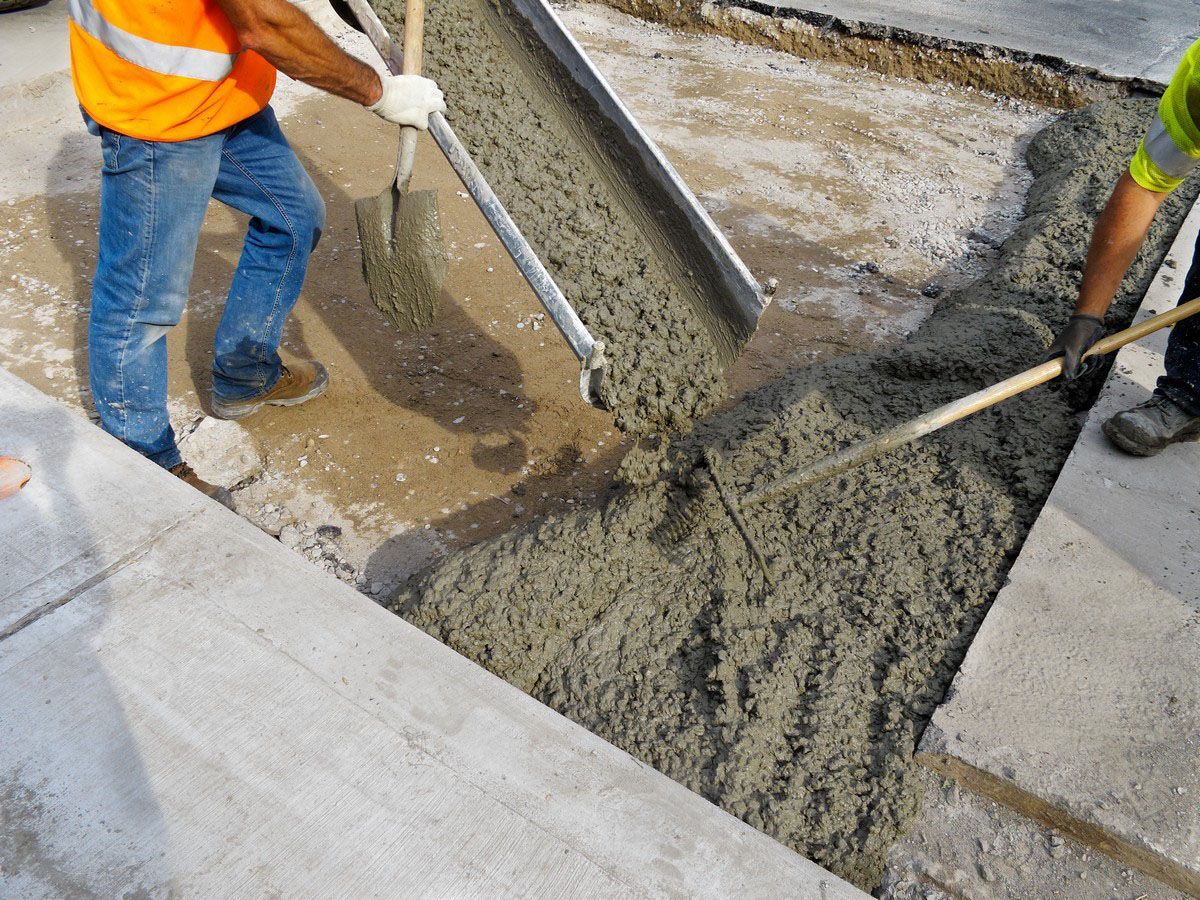
Sidewalks and curbs help create safe, accessible routes around homes, commercial properties, streets, and public spaces. Although these projects may use smaller pours than major structural developments, they still require dependable deliveries to keep work moving efficiently. A planned concrete supply helps crews coordinate excavation, base preparation, form installation, placement, and finishing. Contractors should organize the work in manageable sections so the crew can handle each delivery before the material becomes difficult to place. Access restrictions near storefronts, residential entrances, or public walkways may also influence delivery timing. Proper slope, drainage, joint placement, and surface texture are important considerations when finishing pedestrian areas. Weather conditions should be monitored to protect fresh concrete during placement and early curing. Careful coordination helps create durable walking surfaces while limiting inconvenience to people using the surrounding property.
7. Retaining Walls and Landscape Structures
Retaining walls support soil where changes in elevation could otherwise lead to instability or erosion. Concrete may be used for wall footings, poured wall sections, structural supports, and other landscape features designed for specific site conditions. Reliable concrete supply helps crews coordinate delivery with excavation, reinforcement installation, formwork, and drainage preparation. Before work begins, contractors should confirm the dimensions of each section and the amount of concrete required for the planned placement. Wall construction may involve confined spaces or sloped sites that make access for delivery vehicles more complicated. Scheduling should account for pumping equipment or other placement methods when trucks cannot reach the pour directly. The design must also address drainage, soil pressure, and applicable engineering requirements. Effective planning helps crews build stable landscape structures without unnecessary material delays.
8. Driveways and Parking Lots
Driveways and parking lots provide durable surfaces for vehicles at residential, commercial, and industrial properties. Concrete placement must be coordinated with grading, base preparation, forms, reinforcement where required, and the planned finishing method. A dependable concrete supply helps contractors complete each section while maintaining control over placement and surface quality. Large parking areas may require multiple deliveries arranged according to the crew's working capacity and the layout of the pour. Contractors should account for vehicle access, nearby traffic, and the space needed for concrete trucks and equipment. They must also plan joints and curing measures appropriate to the design and expected use of the surface. Clear communication with the supplier helps crews respond to changing site conditions and avoid unnecessary waiting. Proper scheduling supports an orderly installation and helps the finished surface meet its intended function.
Consistent concrete deliveries are essential for keeping construction projects organized, reducing avoidable delays, and supporting quality workmanship. From home foundations and commercial buildings to roads, industrial slabs, and driveways, every project benefits from careful material planning. Callahan Concrete can help contractors coordinate their concrete needs for projects of different sizes and requirements. Contact us to discuss your upcoming construction plans and arrange a concrete supply schedule that supports your project timeline.